
The amount of digital data generated every day is astounding. Smartphones, laptops, cloud platforms, IoT devices, drones, messaging applications, as well as social media platforms produce huge amounts of data that can contain critical evidence. The difficulty for investigators is not finding the data, but rather identifying the evidence that is relevant quickly and precisely. The problem is finding the correct evidence quickly and precisely.
Modern investigations need equipment capable of processing large amounts data without sacrificing accuracy or the accuracy of forensics. In an increasingly digital world businesses must provide their staff with the tools they need to meet ever-increasing investigative demands. Modern digital forensics tools have become vital for law enforcement agencies, intelligence groups as well as corporate security teams around the world.
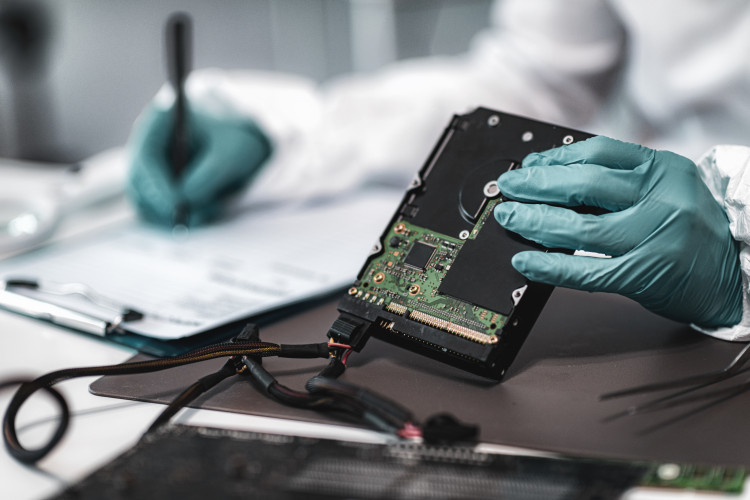
The increasing need for Speed in Investigations
In many investigations, time is one of the most critical factors. Delays in gathering data, analyzing, or reporting evidence could result in slower decisions. This can increase the risk of operations.
The forensic procedure is typically characterized by lengthy time to acquire, manual reviews, and disconnected systems, that can lead to inefficiencies during the entire investigation.
Modern investigators require technology which can rapidly gather evidence from a variety of devices, while ensuring the highest level of security and precision. The faster evidence collection is completed teams are able to begin their analysis. This enables investigators to uncover actionable intelligence at critical time. Detego Global’s Unified Digital Forensics Platform was specifically designed to address these issues by speeding up every stage of the investigation process, from evidence gathering to final report.
Digital Evidence Doesn’t Quit With Computers
In the past, investigation’s focus was mostly on desktops and servers. Evidence is now available practically everywhere. Mobile devices store messages, call records pictures video, location information, and application activity. Smart devices generate usage logs. Drones gather images and information. Cloud apps can save documents and conversations. Even removable media and IoT devices can store crucial evidence.
Computer Forensics today requires a wider approach to data gathering and analysis than is possible using conventional methods. Investigators require platforms that can gather and analyze data from a myriad of different applications and devices without the requirement of multiple disconnected tools. Unified solutions eliminate complexity while increasing operational efficiency.
Artificial Intelligence Transforms Investigations
Manual analysis of the vast amount of digital information available in contemporary cases has become more difficult. Artificial intelligence assists investigators in identifying patterns and connections faster than traditional methods.
AI-powered analytics are able to assist with facial recognition, image classifying transliteration and semantic search, optical character recognition (OCR) and object detection, link analysis, and transcription. These capabilities let investigators concentrate on relevant evidence, and reduce the time studying irrelevant data.
AI-driven Digital forensics solutions can be a great advantage for organizations that manage large-scale investigations. They increase speed as well as precision.
The Importance of DFIR in Modern Security Operations
Cyber-attacks are becoming increasingly complex and commonplace in every industry. Organizations today are faced with ransomware, insider threat, data breaches, theft of credentials and fraud in the financial sector. A structured strategy is necessary to detect, limit the threat, conduct an investigation, and then remediate incidents. DFIR, or Digital Forensics and Incident Response, plays a vital role.
DFIR teams must collect evidence, determine attacks, evaluate the severity of the attack and assist with recovery efforts and all while adhering to proper documentation and chain custody procedures. The efficiency of DFIR operation depends on solid tools that can manage documents and workflows throughout the entire investigation. Centralised platforms allow investigators to keep their work in order while ensuring that crucial information remains accessible throughout the response process.
Manage Investigations through a Single Platform
Multiple tools that are not connected is a problem that a majority of companies confront. The evidence may be stored on one system, notes for cases on another, the reporting tools on a different site and the workflows for investigation in a separate location. This fragmentation creates inefficiencies, and may increase the likelihood of mistakes.
Unified investigation platforms can address this problem by combining analysis, acquisition and evidence management as well as workflow tracking and reporting in one place. Detego helps investigators manage their cases with greater efficiency while maintaining transparency throughout the course of the investigation. Centralized management increases accountability and collaboration while simplifying compliance requirements.
Helping Both Lab and Field Investigations
The majority of investigations are not conducted in an in-house forensic laboratory. Evidence collection is usually required in the field. Examples include airports. police stations. Border crossings. remote locations. and crime scenes. Frontline employees require tools to perform forensic work however, they are also easy to deploy.
Modern forensic platforms are increasingly used to support both field and laboratory operations. Tools that are portable allow investigators quickly identify relevant evidence, and then conduct triage. This flexibility increases the operational efficiency and ensures that investigations can be carried out regardless of where they are.
Cyber Security and Digital Forensics are more interconnected than ever
As cyber threats continue to evolve, the relation between Cyber Security and Digital Investigations will be more and more crucial.
Digital forensics focuses on investigating what occurred after an incident. Cyber security focuses on preventing attacks and protecting systems, and identifying threats. Together, these disciplines can aid in enhancing resilience of organizations as well as enhance detection of threats and adapt to the emergence of new threats. Digital evidence gathering, analysis, and action have become critical elements of modern security strategies.
Future of Investigations Will Be faster and smarter.
Digital investigations continue to increase in complexity, as new technology, devices and communication platforms are developed. The organizations need to find solutions that can keep up with the ever-changing landscape, and provide rapidity, precision, and operational efficiency while keeping up with developments in technology tools, devices, as well as communication platforms.
Modern technology can assist investigators turn vast amounts of data related to computer forensics, as well as cyber security and intelligence. They accomplish this by combining AI-powered analytics with advanced Digital forensics, streamlined DFIR work flows, comprehensive computer forensics software, and integrated Cyber Security-related support.
As the need for speedy and accurate investigations continues to increase, unified forensic solutions will play a growing role in helping businesses discover the truth, safeguard critical assets, and effectively respond to the most complex digital threats.