
The importance of phones remains to veterinary practices even when the offices are closed. Pets fall ill at night, clients panic during weekends, and calls are not answered promptly at the right timings. If calls are not answered or sent to voicemail or sent to an answering service with no medical understanding, the outcome is often frustration for pet owners, anxiety for the veterinarians who are on call, as well as lost opportunities for the practice itself.
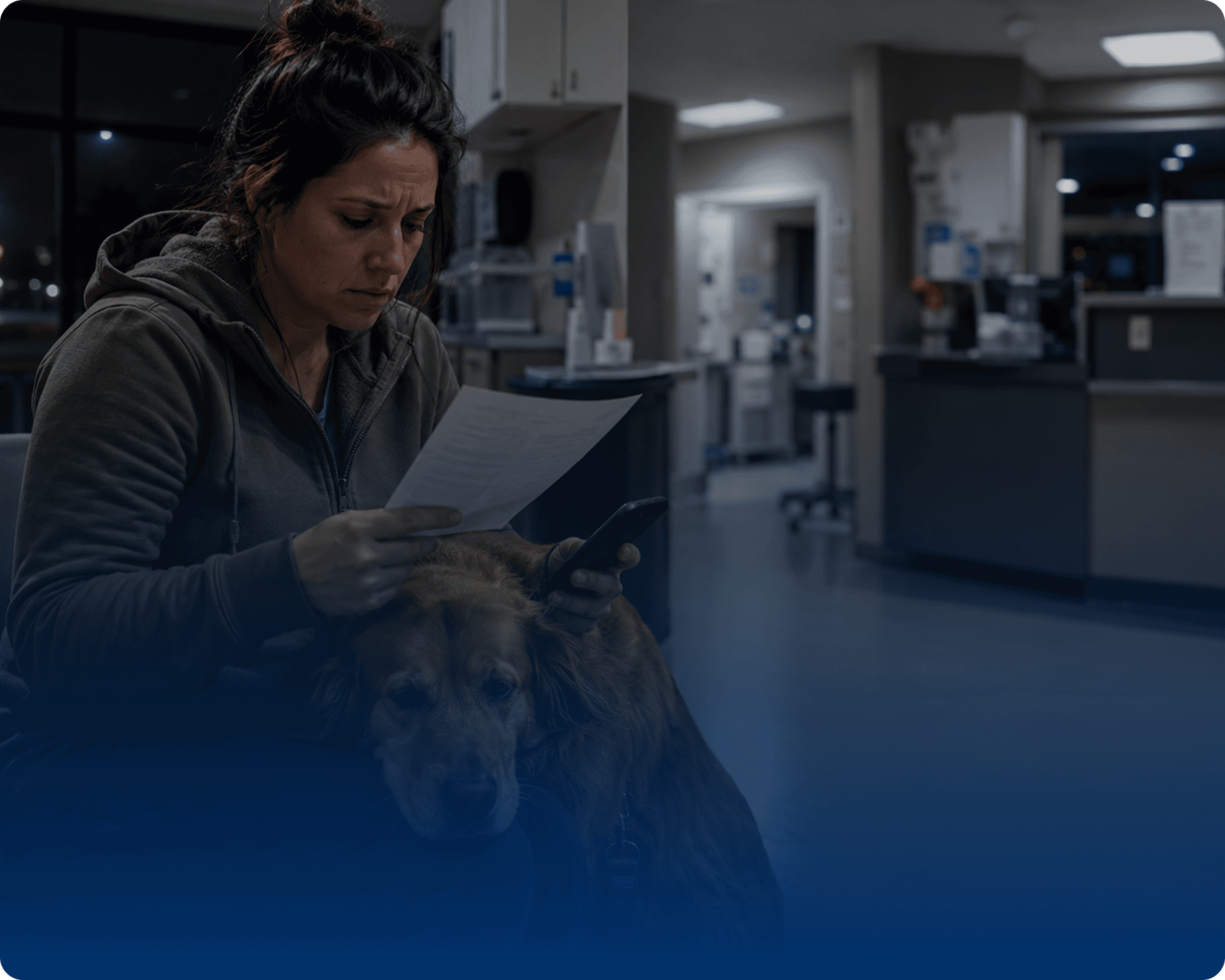
Image credit: guardianvets.com
This is the reason why after-hours communications is now an essential aspect of the veterinary industry. A good answering service for veterinary practices is much more than a phone pick-up. It can assist practices in maintaining relationship with clients, assist pet owners to take the most appropriate step, and ease the workload of their employees. Today, after-hours assistance is more than just a convenient service. It’s part of a practice’s commitment to continuous treatment.
Every answering system is not built for veterinary medicine
There’s a huge difference between an ordinary answering service and a vet answering service specifically designed for hospitals that treat animals. In a hospital setting answering calls after hours is not easy. A client may be worried about exposure to toxins or post-surgical complications, vomiting, breathing changes or if their pet requires immediate emergency medical attention. These situations are more than message-taking. The situations need calm communication and judgement from someone who has a good understanding of the veterinary workflow.
This is why GuardianVets distinguishes itself. Instead of functioning as an office, GuardianVets is an veterinary support provider staffed with Credentialed Veterinary Technologist. That distinction matters. A trained technician can assess the nature of the call, follow the clinic’s triage and escalation protocols, help the pet owner understand the level of urgency, and direct them toward the right next step without stepping outside the boundaries of the veterinary-client-patient relationship.
Triage services for veterinary emergencies can assist you in making better choices.
One of the biggest benefits of a true veterinary triage service is that it creates clarity in stressful moments. Pet owners often do not be aware of whether an issue can be delayed until the morning, when they should plan a follow-up, or whether they need urgent medical attention immediately. In the absence of guidance, many fall to one of two extremes and either rush to a hospital in an emergency or wait too long get medical attention.
It helps close this gap. It gives pet owners a knowledgeable individual to talk to, lessens confusion, and also helps ensure that urgent cases are handled appropriately while non-emergent concerns are documented and routed correctly. It also protects veterinarians from being delayed for situations that do not need doctor-level care after hours. This could have an enormous impact on the quality of life in hospitals, where doctors shoulder the clinical burden during the day while also being on call at night.
The best veterinary call center should fit your workflows, not undermine them.
Modern call centers to provide veterinary care shouldn’t operate as a separate service that is independent of your practice. It should work as an extension of your staff. This means you must be aware of the rules for appointments procedures, emergency protocols and the escalation routes, and communication preferences. Also, it is important to integrate your PIMS to ensure that notes on triage and results from scheduling are incorporated into the existing system used by your team.
GuardianVets was built upon this notion. Its process consists of assessing gaps in call coverage, mapping how client communication is currently handled, and creating a workflow that reflects the realities of the clinic instead of forcing the clinic to follow a strict model. This is quite a difference from the typical answering service, which generally ends at the point of message capture, before sending it to the clinic.
Better after-hours coverage improves more than convenience
A reliable veterinary answering system after hours can do more than just cut down on lost calls. It helps maintain customer confidence during stressful times and keep more cases in your practice network when necessary and provide teams with an effective method of handling after-hours demands. This can improve revenue by converting overnight or weekend inquiries to booked appointments, instead of wasting opportunities.
It is crucial for pet owners because it gives them peace of mind knowing that there is someone to help when they are in need. In veterinary medicine this kind of support is vital since most calls after hours don’t just concern logistics. They’re emotional. The reaction to a loved animal can impact how people feel after the incident has been resolved.
Hospitals that wish to improve both client care and team wellbeing, GuardianVets offers a model that goes above and beyond a typical answering service for veterinary patients. By combining clinical triage with workflow integration and compassionate communications it allows practices to be present for their patients even when the clinic is closed.