
The month has ended. The sales were strong, the P&L is in profit and there’s nothing that appears to be to be terribly to be wrong.
You should then check the bank account of the restaurant.
The number isn’t what you expected.
This disconnect can be frustrating for restaurant owners because they feel that profit and cash available should be the same. They aren’t. It’s not true. P&L is a measure of financial performance. In contrast, the bank account is an indication of when money moves into and out.
Knowing the difference can change the way a restaurant’s manager is able to view their financials.
Look at what happens during a normal week. Food is paid for by customers. Employers must be paid. Invoices will be sent out with the delivery of food and drinks. Rent is coming up. Credit card payments are timed. Sales tax is collected but it’s a responsibility.
The purchase for next week has already begun.
Focusing on revenue only or the end-of-year profit number misses much of that activity.
The answer could be hidden in prime cost
Food, beverages and labor costs are worth a closer examine when restaurant profitability begins to go downhill.
Together, the cost of the products sold and labor together make up the bulk of the cost. Bookkeeping Chef’s guidelines place prime cost at roughly 60%-65 percent of the total revenue for many establishments, and emphasizes the importance of monitoring weekly rather than waiting until the final day of the month.
Effective prime cost management is not about focusing on one percentage point and more about being able to spot changes quickly.
Imagine that the restaurant’s performance is usually close to its goal However, this week it increased. Perhaps the overtime rate is up. The cost of beverages could remain the same, while food costs rose. A higher percentage of food could cause the owner to look at buying, waste management portions and menu mix, or vendor bills.
The percentage is the key. The restaurant’s activity is the answer.
A weekly report makes that conversation possible while everyone will be able to recall what occurred.
Two or three weeks later After that, the details become more difficult to decipher.
Then the Vendor Bills Show Up
The restaurant will be able to pay later for the food items it buys. This is the reason knowing the profit isn’t enough to answer every cash-related question.
Invoices from vendors must be accounted for, tracked and paid. In a busy business with multiple suppliers, managing that manually can turn into an administrative task.
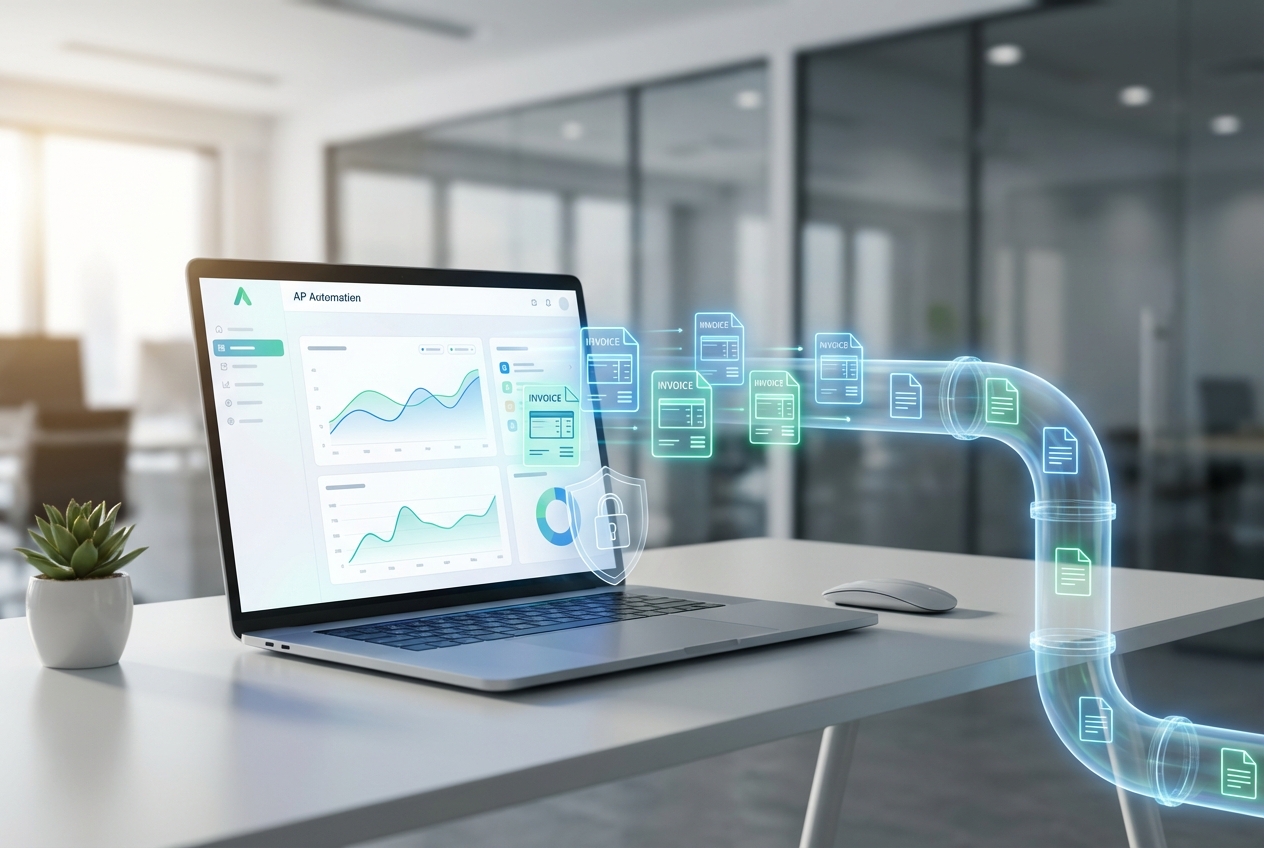
Accounts payable automation helps organize this process by reducing repetitive handling of bills and payment information. These bookkeeping systems are also able to provide the owner with a clearer picture of obligations that haven’t yet been paid into the bank account.
This is helpful, since the bank balance can appear more healthy than the restaurant’s actual situation in the near future.
There might be $80,000 in the account as of today. It could mean something different in the event that payroll, rent, vendors, and other commitments will consume a substantial amount over the next few days.
Forecasting cash flow is a common outcome.
The most appropriate question to ask yourself is “What happens to our funds after we receive it and have met the obligations we’ve made?”
It is essential to be aware of the difference before deciding if this week is the best time to replace equipment, buy additional products or to conserve the cash flow.
The Cash You Received May Not Be Yours
Sales tax illustrates this particularly well.
The money a restaurant receives from its patrons will eventually have to be handled in accordance to its tax obligations. If the funds are mixed with operating cash, then the balance in a bank can provide an inaccurate picture of how much cash is available.
Consistent record keeping helps restaurants comply with sales tax laws as well as providing a realistic image of their financial condition.
This is why it is that restaurant accounting can be more effective when financial responsibilities don’t are separated from other responsibilities.
Prime cost affects margin. Vendor purchases impact COGS as well as future payments. Payroll and cash availability are affected by payroll. Sales tax affects cash availability. P&Ls keep track of financial performance and forecasting lets management see the future.
The pieces are joined.
Bookkeeping Chef integrates restaurant-specific reporting with system integrations. If you don’t want to be slavishly reconciling financial information, outsourced bookkeeping services will handle most of the accounting work while removing the business owner from the financial discussion.
The final part is crucial.
The goal isn’t for restaurant owners to simply stop looking at their books simply because they are handled by someone else. It’s essential that owners receive information so they can understand what’s going on.
If the P&L shows that the restaurant is earning money but the bank balance feels too tight, don’t think that the P&L must be incorrect.
Find out what transpired between them.
This question will teach you much more about the restaurant than any other number could by itself.