
A deteriorating wastewater liftstation is located in a municipality. The pumps are approaching the end of their service life span, the controls require modernization as well as the access hatch has deteriorated. Although the concrete wetwell appears structurally sound, it’s time to be modernized.
Do you think the station should be completely destroyed? Not necessarily. One of the most important questions to ask is whether or not the current infrastructure will support a pumping system that meets modern standards without compromising reliability and capacity.
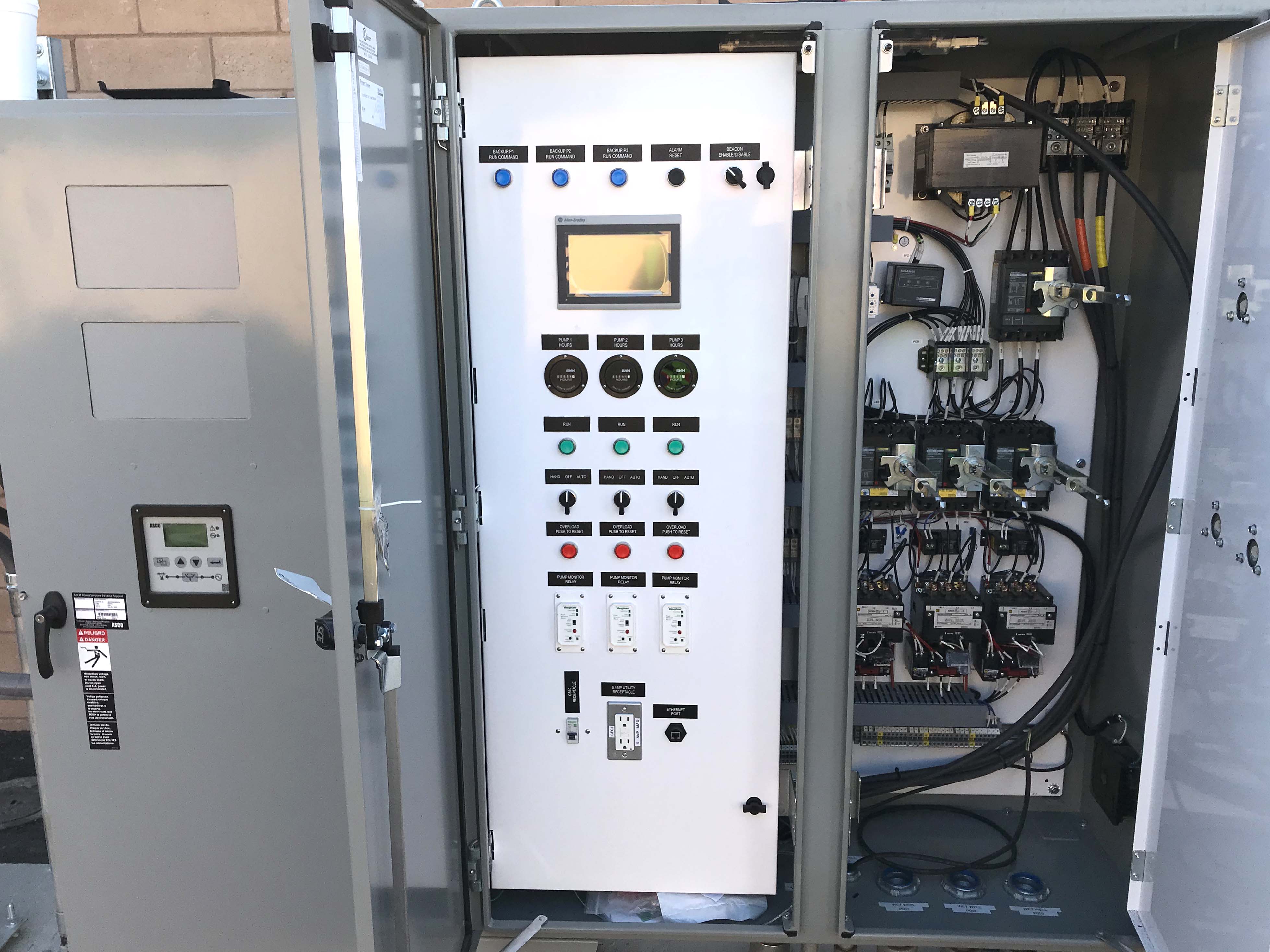
Image credit: romtecutilities.com
Retrofitting a pumping station can be a fantastic method to maintain infrastructure and replace elements that have become obsolete.
Start with the Structures That Nobody Wants To Replace
The wet well is typically one of the most costly and disruptive components to replace as it is located underground, linked to existing piping, and vital for wastewater collection.
Retaining a concrete structure that is still usable could help in reducing the excavation and construction.
However, damage to the hatch could complicate your choice. Romtec Utilities has identified wet-well hatch replacement as an essential retrofit. It is possible to be more durable to repair the top slab instead of constructing a new hatch on concrete that has deteriorated. This method can increase accessibility and increase the usefulness of the structure without the need to replace the entire wet well.
A More Powerful Pump Changes the Engineering
If a neighborhood in the area has exploded in size since the first lift station was built. The current pumps may not be able to deal with the increasing flow of wastewater.
A pumping station upgrade could involve higher-horsepower pumps, but equipment selection cannot happen independently of the surrounding system.
Engineers must also think about the hydraulic needs of the system. This is a consideration for flow as well as the total dynamic pressure. If you install a bigger pump without evaluating these conditions the system could cause problems with operation rather than addressing the problem. Planning for future expansions in the your initial design process will help you to add more capacity later.
Make sure that the water for waste is moving throughout the construction process
Retrofitting an existing wastewater pump station can present challenges that are new. As with other equipment replacement projects, the station must continue to operate throughout construction.
The water continues to flow even when contractors are at work. Depending on the scope of the project temporary bypass pumps might be required in order to maintain service during removal and installation of the existing equipment.
Romtec Utilities addressed this type of problem at the Federal Law Enforcement Training Center in Brunswick, Georgia.
The project involved the replacement of two outdated wastewater lift stations, while maintaining operation at this facility. The project was able accommodate the footprints of existing stations as well the operational needs by utilizing specific engineering for the site and system for replacement that is packaged. The scenario illustrates the need to be aware of construction sequencing prior to the installation process begins.
When the Alternative is the Best Option
Not all stations are suitable for rehabilitation. Sewer lift stations might need to be replaced in the event of a badly damaged wet well or a lack of structural capacity.
Before making a decision it is essential to think about the structural health of the building, its compatibility equipment, the accessibility to construction sites, service continuity as well as long-term requirements. Romtec Utilities begins retrofit and replacement projects by determining which components will be retained and which need to be replaced.
The business will then design sites-specific engineering designs, budget estimates, and preliminaries of designs. Prefabricated components can also help to organize installation and decrease some building requirements that are required on-site.
The Project isn’t Complete until the Pumps Start
Modern lift stations have to be operated as a system in one. Prior to returning the lift station back to service, tests of startup and commissioning can help to ensure that the pumps and controls as well as other equipment perform as per the approved design.
The manuals as well as the training of operators are equally important. Before they can assume responsibility for a station, maintenance personnel must understand new procedures, equipment and the documentation.
Retrofitting infrastructure successfully preserves its value while fixing the issues that caused modernization.
This means that municipalities as well as facility owners must consider more than just immediate repairs. The most successful plan is one that integrates new equipment with existing structures, maintains essential services throughout construction, and then prepares the pumping system to last for years to come of operation.