
The month ended. The sales were good, the P&L indicates a profit and nothing appears to be terribly incorrect.
Check the restaurant’s bank account.
The number you received isn’t the one you were expecting.
For restaurant owners, this gap can be frustrating as profits and cash flow seem to be the same. Both of them don’t match with each other. It’s not true. P&L is a measure of financial performance, while the bank account is a record of the time when money flows in and out.
Understanding the difference will change the way that a restaurant’s owner is able to view their financials.
Consider what happens during an ordinary week. Customers pay for meals. It is important to pay employees. Invoices for food and beverages are delivered. Rent is on the way. The time of the credit card deposit differs. The tax on sales is an obligation.
The next week’s buying has already begun.
Looking just at revenue or the number of profits at the end does not take into account a lot of the activity.
Prime Cost could be the Key to the Solution
Food, beverage and labour costs are worth a closer look when restaurant profitability starts to decrease.
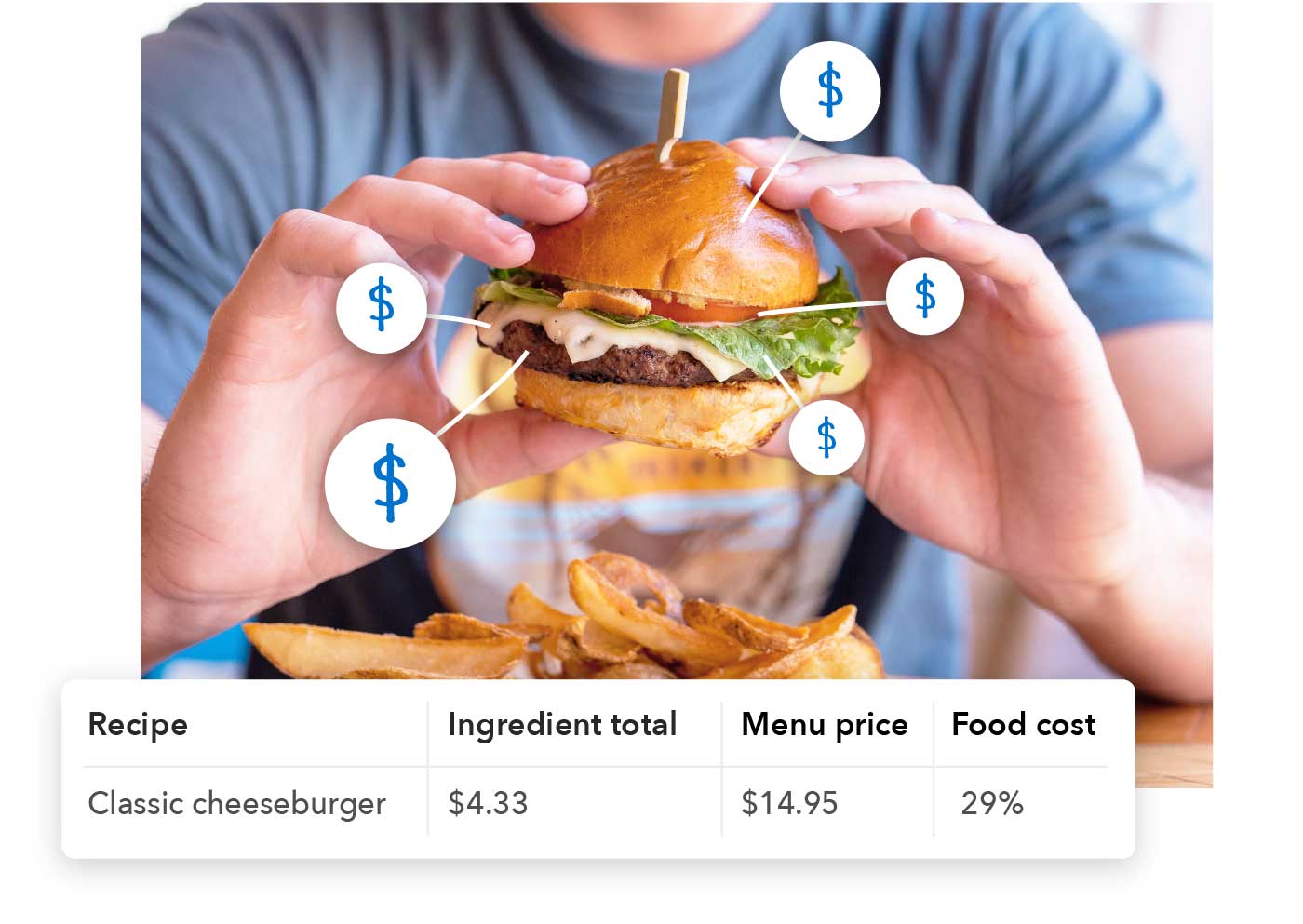
Together, cost of goods sold and labor comprise the primary cost. Bookkeeping Chef’s guidelines place the cost of goods sold at 60% to 65 percent of the total revenue for many establishments, and emphasizes daily monitoring, rather than waiting until the end of the month.
It is more important to be able to detect changes earlier than worrying about an exact percentage.
Suppose that normally the restaurant does well, but this week, it’s an increase in percentage. Perhaps overtime has is up. Perhaps, the costs for beverages remained constant but food costs increased. The chef may look over menus as well as waste, portions sizes as well as vendor invoices and purchasing if the food portion is greater.
The percentage raised the question. The answer lies in the restaurant’s activity.
A weekly report can make that conversation possible while everyone still remembers what happened.
The details are more difficult to remember just a few days later.
After the vendor bills are paid
The restaurant will be able to pay an additional time for the items it buys. Because of this, it is the case that analyzing profits alone will not resolve all cash-related issues.
Vendor invoices have to be recorded, received and tracked before being paid. This is quite a task in the case of a business with many suppliers.
Automating accounts payable can streamline this process, reducing tedious tasks such as managing payments and bills. Systems for bookkeeping that are linked will give the owners a clear image of their obligations even though they haven’t yet been paid.
This is beneficial, as the balance of your bank account may seem healthier than a restaurant’s current situation.
There could be a possibility that there are $80,000 in your account right now. The figure of $80,000 means small if the cost of rent, vendors, or payroll will take up a large portion over the coming days.
That leads naturally to the process of forecasting cash flows.
The best question to ask yourself is “What happens to our cash after we receive the money and have fulfilled our obligations we’ve made?”
It is vital to recognize the difference before deciding if this week is the ideal opportunity to replace equipment, purchase additional items, or conserve liquid funds.
The Money You Received Could Not be Yours
The sales tax example is a good one.
The money that restaurant owners receive from customers will eventually need to be handled in accordance of its tax obligations. If these cash-flows are combined with operating cash, it could create a false impression of the money available to spend.
The consistent recording system allows restaurants to comply with the sales tax laws, while giving a clear image of their financial condition.
This is one reason why restaurant accounting is better when financial obligations aren’t viewed as separate entities.
Prime cost affects margin. COGS and future payment are affected by vendor purchases. Both labor and cash percentages are affected by the payroll. Taxes on sales affect cash availability. P&Ls can be used to document the financial performance. Forecasting can also be useful to management.
The pieces are linked.
Bookkeeping Chef integrates restaurant-specific reporting with system integrations. For operators who don’t want to spend their nights manually reconciling financial data, specialized outsourced bookkeeping services can handle much of the accounting workload without removing the owner from the financial conversation.
That last part matters.
The idea isn’t for restaurant owners to stop looking at their books simply because someone else is handling them. Owners must be provided with information that helps them understand what’s happening.
If the P&L says the restaurant made money but the bank account seems to be a bit tight, don’t presume that any of the numbers can be incorrect.
Ask them about what transpired between them.
This question will teach you more about your restaurant than a single number could by itself.