On paper, a project for pumping could appear simple enough: water has to be moved from one area to another. In practice the distance between those two points can involve changing rate of flow, elevation differences in solids, pressure demands storage capacity, and electrical equipment, access to maintenance and restrictions on the site.
Romtec Utilities begin the development of a pumping station by defining these operational conditions, instead of selecting equipment from the catalog. Preliminary designs and budgetary information can be created based on what the project actually requires.
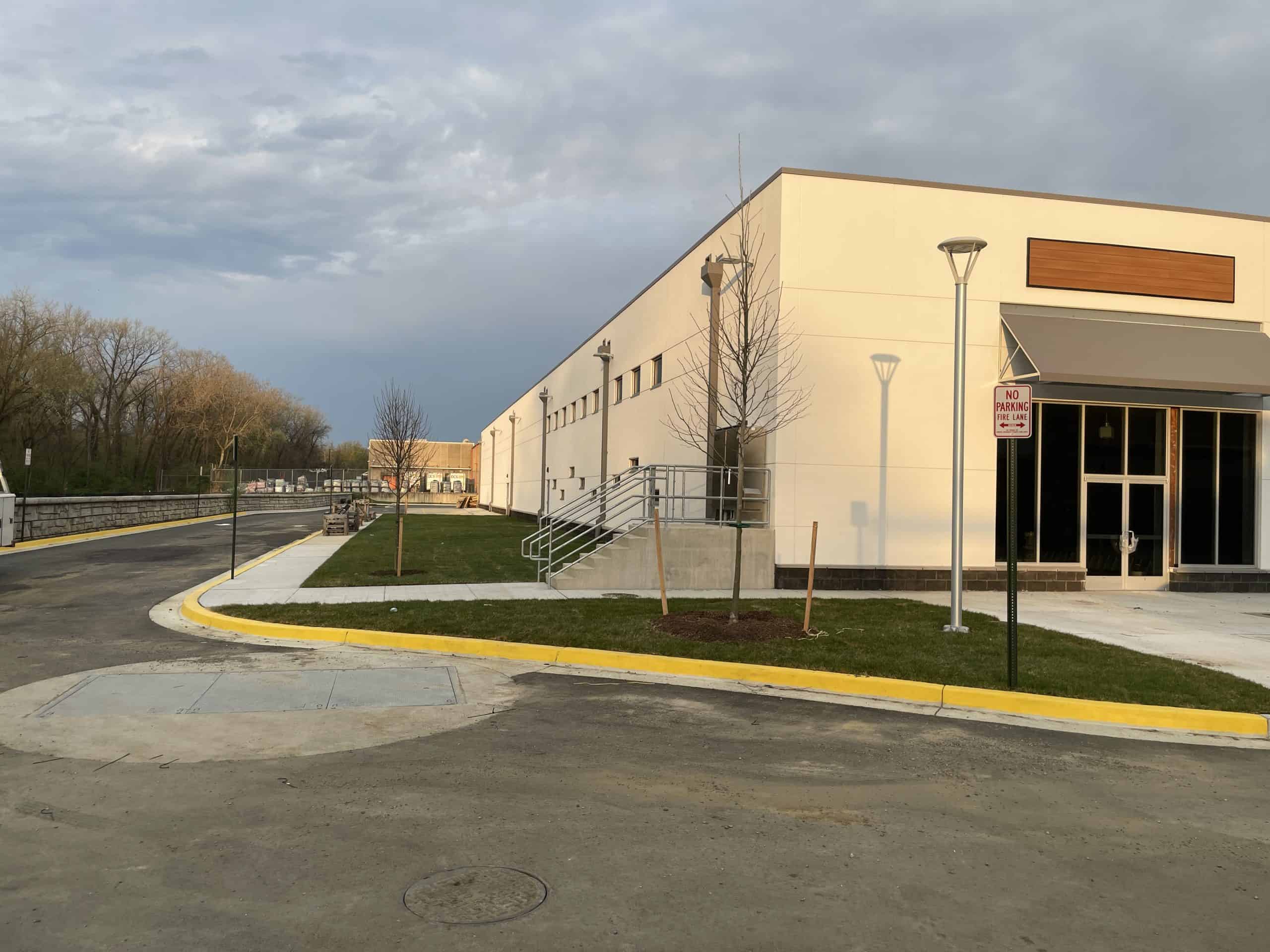
Image credit: romtecutilities.com
Consider: Where do we go?
The technology is updated immediately.
There could be a significant fluctuation in the flow rate of household sewage. The wastewater lift station will be required when gravity conveyance is not or will not function. Engineers need to be aware of the following: expected inflow as well as peak condition, pumping capacity, behavior of the wet well discharge requirements, and how the equipment is operated and maintained.
The difficulties of industrial water are diverse. The water used in a manufacturing or processing facility might need to be caustic, oily, or heated at high temperature or pressure. Romtec Utilities designs industrial systems for applications ranging from power generation and food processing to data centers as well as pharmaceutical waste and oil and gas plants.
Rainfall is a completely different operating cycle
Stormwater systems might spend long periods handling little activity and then face substantial volumes during a storm.
A stormwater lift station that is connected with a detention basin, for example, must work in conjunction with the larger drainage plan. Runoff flows into a basin. Storage temporarily regulates the amount immediately. A pumping system then transports the water that is collected to an outlet that is approved.
Romtec Utilities offered this type of solution to the Norco, California business park. The pumping equipment was needed to empty the detention reservoir and then discharge it into the stormwater system. The station needed be constructed as a part of the drainage infrastructure, rather than being treated as isolated equipment.
“Package” Doesn’t Have to be Off-the-Shelf
A common misconception is that a package pumping system is simply a predetermined collection of components.
In the case of engineering infrastructure packaging could refer to the fact that all of the main components are incorporated into a single system. Pumps, valves, meters and controls, communications structural elements, and other equipment can be selected around the necessary duty requirements.
This approach is especially helpful for systems that need to be linked with an existing infrastructure. Industrial plants and existing municipal facilities don’t always have a lot of space for installation, or even well-maintained conditions. It could be necessary to adapt equipment around existing structures, pipes, electrical systems and schedules.
Capacity planning has real consequences.
When facilities grow and expand, undersizing is a major expense.
Romtec Utilities, a Portland International Airport utility company, created and supplied an interceptor for sewers to the PDX Next project. The new station needed been designed to have twice the peak flow capacity because the airport has grown.
This demonstrates a crucial concept of engineering: design conditions should not only reflect what an installation handles in an average afternoon. Engineers should also understand the impact of peak demand.
The job isn’t finished until the Equipment Arrives
Calculations and drawings will eventually turn into an operating system. Coordination of installation, starting testing documentation, and user knowledge all affect long-term performance.
In the years following construction, the effectiveness of an engineered pumping systems is determined. The decisions made during initial design are clearly visible whenever equipment needs maintenance as flows rise or when an event occurs.
For Romtec Utilities, integrating these decisions into a complete project-specific pumping strategy helps transform the equipment pieces into an infrastructure designed to handle the conditions it’s likely to encounter.
How a Package Pump Station Moves From Preliminary Design to the Jobsite
On paper, a project for pumping could appear simple enough: water has to be moved from one area to another. In practice the distance between those two points can involve changing rate of flow, elevation differences in solids, pressure demands storage capacity, and electrical equipment, access to maintenance and restrictions on the site.
Romtec Utilities begin the development of a pumping station by defining these operational conditions, instead of selecting equipment from the catalog. Preliminary designs and budgetary information can be created based on what the project actually requires.
Image credit: romtecutilities.com
Consider: Where do we go?
The technology is updated immediately.
There could be a significant fluctuation in the flow rate of household sewage. The wastewater lift station will be required when gravity conveyance is not or will not function. Engineers need to be aware of the following: expected inflow as well as peak condition, pumping capacity, behavior of the wet well discharge requirements, and how the equipment is operated and maintained.
The difficulties of industrial water are diverse. The water used in a manufacturing or processing facility might need to be caustic, oily, or heated at high temperature or pressure. Romtec Utilities designs industrial systems for applications ranging from power generation and food processing to data centers as well as pharmaceutical waste and oil and gas plants.
Rainfall is a completely different operating cycle
Stormwater systems might spend long periods handling little activity and then face substantial volumes during a storm.
A stormwater lift station that is connected with a detention basin, for example, must work in conjunction with the larger drainage plan. Runoff flows into a basin. Storage temporarily regulates the amount immediately. A pumping system then transports the water that is collected to an outlet that is approved.
Romtec Utilities offered this type of solution to the Norco, California business park. The pumping equipment was needed to empty the detention reservoir and then discharge it into the stormwater system. The station needed be constructed as a part of the drainage infrastructure, rather than being treated as isolated equipment.
“Package” Doesn’t Have to be Off-the-Shelf
A common misconception is that a package pumping system is simply a predetermined collection of components.
In the case of engineering infrastructure packaging could refer to the fact that all of the main components are incorporated into a single system. Pumps, valves, meters and controls, communications structural elements, and other equipment can be selected around the necessary duty requirements.
This approach is especially helpful for systems that need to be linked with an existing infrastructure. Industrial plants and existing municipal facilities don’t always have a lot of space for installation, or even well-maintained conditions. It could be necessary to adapt equipment around existing structures, pipes, electrical systems and schedules.
Capacity planning has real consequences.
When facilities grow and expand, undersizing is a major expense.
Romtec Utilities, a Portland International Airport utility company, created and supplied an interceptor for sewers to the PDX Next project. The new station needed been designed to have twice the peak flow capacity because the airport has grown.
This demonstrates a crucial concept of engineering: design conditions should not only reflect what an installation handles in an average afternoon. Engineers should also understand the impact of peak demand.
The job isn’t finished until the Equipment Arrives
Calculations and drawings will eventually turn into an operating system. Coordination of installation, starting testing documentation, and user knowledge all affect long-term performance.
In the years following construction, the effectiveness of an engineered pumping systems is determined. The decisions made during initial design are clearly visible whenever equipment needs maintenance as flows rise or when an event occurs.
For Romtec Utilities, integrating these decisions into a complete project-specific pumping strategy helps transform the equipment pieces into an infrastructure designed to handle the conditions it’s likely to encounter.
Latest news
What Should a 10-Person Startup Really Pay for Compliance Software?
Imagine a platform for compliance is $12,000 a year. Does it cost a lot? It all depends on the item you are replacing. Automating the
What Happens After You Approve a Park Restroom Concept?
A bathroom in a park can appear like a small portion of a large-scale public project. Landscape architects, engineers and contractors might be involved in
How a Package Pump Station Moves From Preliminary Design to the Jobsite
On paper, a project for pumping could appear simple enough: water has to be moved from one area to another. In practice the distance between